
Understanding Your Food Cravings
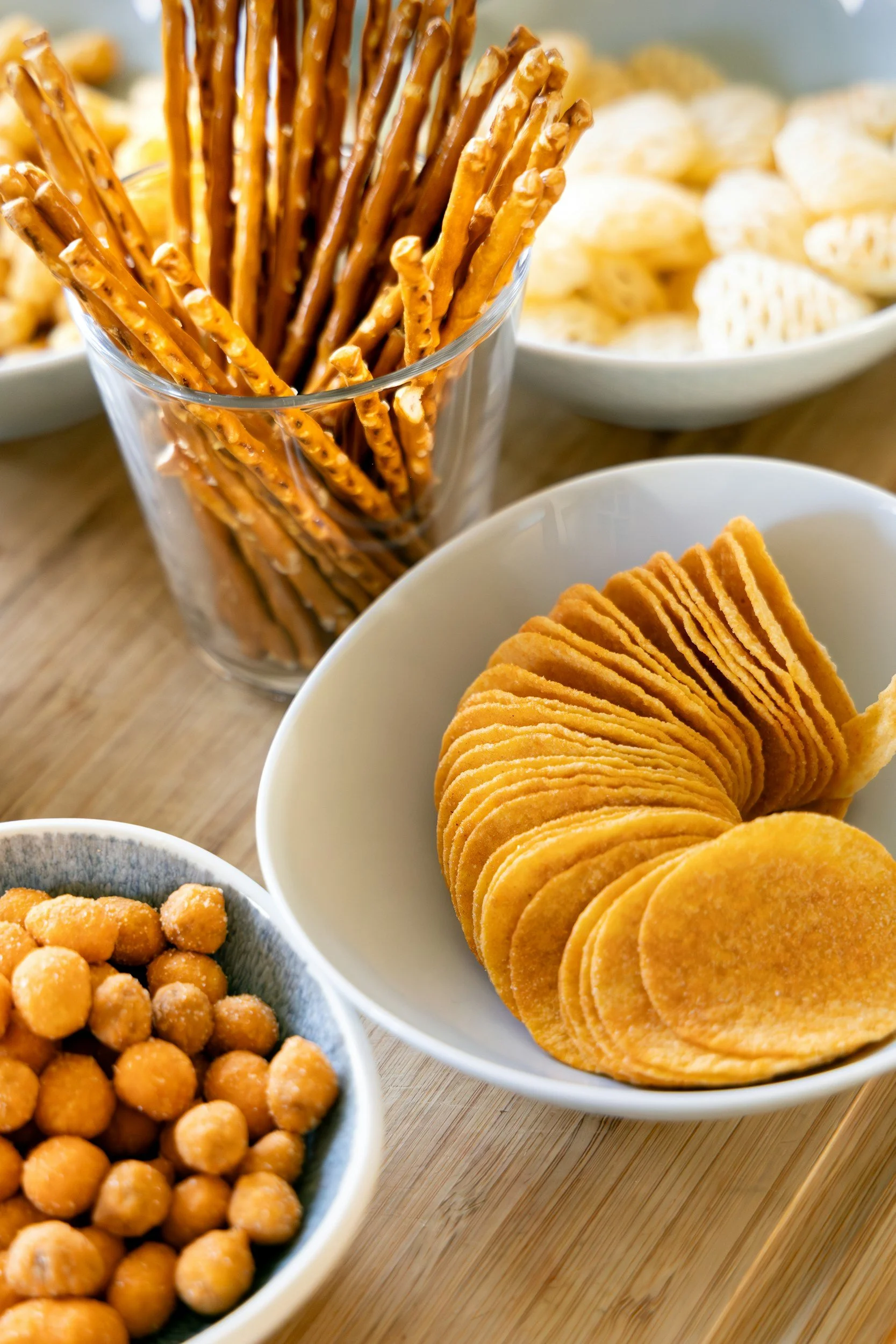
It might be easy to explain why we get cravings, but knowing how to manage them is the real kicker.
What are food cravings?
Cravings are the desire for a specific taste, flavor, or specific food. They are not what we think of as hunger. Hunger can be satisfied by ANY food, whereas cravings can only be satisfied by that ONE particular food, flavor, or taste.
Why we can get food cravings?
It used to be thought that cravings were due to nutrient deficiencies or the result of some one in a caloric deficit, but this has not been proven through research. Research indicates that cravings come from internal and external cues. I know so vague, but once we identify those internal and external cues we have our answer as to why we get them. For some it’s the sight and smell of food that sets them off and makes their minds and stomachs get a food craving which is used as a pleasure filler. For others it is the emotional satisfaction that is “itched” from a food craving; the craving is used to relieve stress, boredom, loneliness, or even comes as a response to happiness and joy. Additionally, cravings are attached to habits or conditions: stopping for a sweet coffee because you are early to work, having snacks with late night movies, or eating birthday cake on your birthday. Cravings are not inherently bad, however how we respond and how often we respond can either make or break our health.
Cravings are not bad. They are neutral. Learn to respond for long term success.
Cravings are not inherently bad, however how we respond and how often we respond can either make or break our health. Having the foods you associate with your cravings, again, is not bad, however if we respond all of the time with a YES, then we might lack hunger and discipline to eat what is satisfying long term for our health and happiness.
Learn to respond to hunger with the following coping skills:
Try distractions like playing a game, doing a puzzle, reading a book, calling a friend, or finding an activity that can distract you for at least 10 min to help distract you from that food craving.
Consider learning emotional regulation techniques. First, understand the emotions that may be causing the craving and learn to respond with a healthy coping skill like journaling, calling a friend, engaging in self care, go for a walk, or listen to music.
Ensure you are getting the self care you regularly need. Assess work life balance and ensure you have a community you thrive in to help engage with others.
Self assess how food is integrated into any habits you might have and determine if you are actually hungry when eating or have you just conditioned yourself to eat during that particular habit.